How Bed Bugs Spread
To prevent bedbug infestations, local service providers can identify how bed bugs spread and provide effective extermination solutions to eliminate them.
Understanding how bed bugs spread is essential for property owners aiming to prevent infestations or address existing ones effectively. Bed bugs are adept hitchhikers, often traveling unnoticed through belongings, furniture, and clothing. Recognizing the common ways they move from one space to another can help in implementing practical prevention strategies and knowing when professional extermination services might be needed. Local contractors experienced in bedbug treatment can provide targeted solutions to stop the spread and eliminate these pests from affected areas.
For property owners in the area, staying informed about how bed bugs move can make a significant difference in maintaining a pest-free environment. Whether dealing with a recent sighting or trying to prevent an infestation, understanding their modes of transfer highlights the importance of proper inspection and treatment. Local service providers specializing in bedbug extermination are equipped to assist with thorough inspections and effective removal, helping to protect homes and businesses from persistent pest issues. Keep reading to learn more about how these pests spread and how local experts can help address the problem.
- Bedbug infestation assessment - when someone notices signs of bed bugs and needs local pros to identify how they might have spread within a property.
- Clutter removal and cleaning - if bed bugs are suspected to have spread through clutter, local contractors can advise on proper cleaning methods to contain the infestation.
- Infestation containment services - in cases where bed bugs are spreading between rooms or units, local pros can implement strategies to prevent further movement.
- Furniture and mattress treatment - when bed bugs are found on furniture or bedding, local service providers can treat these items to stop their spread.
- Post-treatment inspection and follow-up - after initial extermination, local pros can check for signs of spreading and ensure bed bugs are fully eradicated.


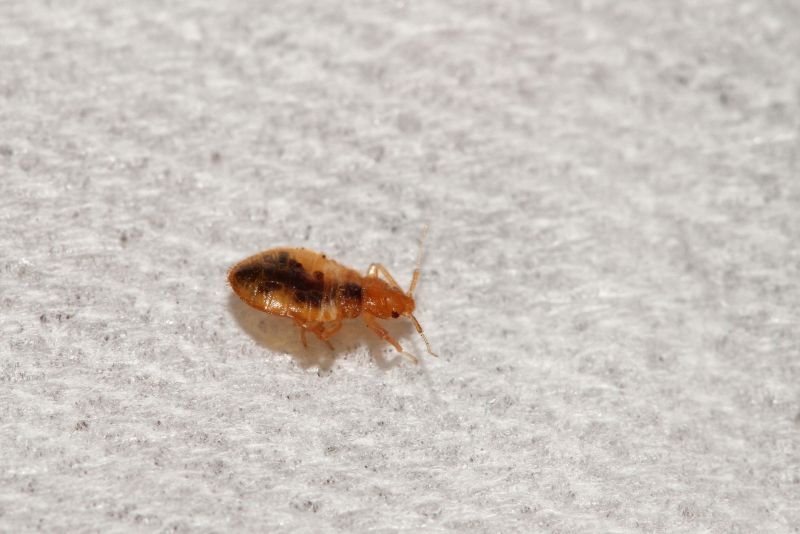
Understanding how bed bugs spread is essential for homeowners dealing with infestations or trying to prevent future problems. When people search this topic, they often want to know how these tiny pests move from one place to another and what factors contribute to their rapid spread. Bed bugs are notorious for hitchhiking on personal belongings, clothing, and used furniture, making it easier for them to travel between homes, apartments, hotels, and even public spaces. Recognizing these common pathways helps homeowners identify potential risks and take proactive steps to reduce the chances of infestation.
The spread of bed bugs is closely related to the problems of infestation management and prevention planning. Many property owners are concerned about how these pests can infiltrate their living spaces unexpectedly, especially when traveling or bringing in secondhand items. Understanding how bed bugs move allows homeowners to develop effective strategies for inspection, early detection, and treatment. Local service providers who specialize in bedbug extermination often emphasize the importance of identifying the sources and routes of spread to implement targeted treatment plans that can effectively eliminate the pests and prevent re-infestation.
Certain types of properties are more commonly associated with bed bug spread due to their usage patterns and occupancy arrangements. Multi-unit buildings like apartment complexes, hotels, and dormitories tend to be at higher risk because of the close proximity of units and frequent guest turnover. Additionally, homes with cluttered spaces or those that have recently received secondhand furniture or bedding are more susceptible to infestation. Understanding the property types most affected by bed bug spread helps homeowners recognize potential vulnerabilities and work with local contractors who can provide tailored inspection and treatment services to address specific risks.
In many cases, the spread of bed bugs is linked to human activities and travel habits. Items such as luggage, clothing, and personal belongings are common vectors for moving these pests from one location to another. Public spaces like transportation hubs and shared laundry facilities can also facilitate their movement. Homeowners concerned about how bed bugs spread should consider the importance of regular inspections and careful management of personal items, especially after travel or acquiring used furniture. Local bedbug extermination professionals can assist with thorough inspections and targeted treatments, helping to address the root causes of spread and protect the property from future infestations.
Pest Inspection Projects - These involve thorough assessments to identify how bed bugs spread within a property, helping local contractors determine the source and extent of infestation.
Infestation Management Planning - Planning and coordinating strategies for preventing the spread of bed bugs, which requires understanding their movement and transmission methods.
Property Treatment Coordination - Managing treatment approaches across multiple rooms or units to stop bed bugs from spreading further, often involving collaboration with local service providers.
Tenant Education Initiatives - Developing informational materials or programs to inform residents about how bed bugs spread and ways to prevent their movement between spaces.
Clutter Removal and Organization Projects - Assisting with organizing spaces to reduce hiding spots, which can help prevent the spread of bed bugs during an infestation.
Post-Treatment Follow-Up Services - Conducting inspections and treatments after initial extermination to ensure bed bugs do not re-emerge or spread to new areas, with local contractors providing ongoing support.

When evaluating local contractors for bedbug extermination, it is important to consider their experience with similar projects. A service provider who has handled bedbug infestations before will be more familiar with how bed bugs spread and the most effective methods to eliminate them. Asking about their previous work or seeking references can provide insight into their familiarity with the process and their ability to address specific concerns related to bedbug behavior and spread. This background can help ensure that the chosen professional understands the nuances of bedbug infestations and is equipped to handle the situation effectively.
Clear written expectations are essential when selecting a service provider for bedbug extermination. A reputable contractor should be able to provide detailed information about the scope of work, the methods they plan to use, and what the homeowner can expect during and after treatment. Well-defined expectations help prevent misunderstandings and ensure that both parties are aligned on the process. Homeowners should look for providers who communicate openly and are willing to answer questions about how bed bugs spread and how their approach addresses preventing future infestations.
Good communication and reputable references are key indicators of a reliable service provider. A contractor who can provide references from previous clients demonstrates transparency and a track record of successful work. Clear and responsive communication throughout the process helps homeowners stay informed and comfortable with the treatment plan. When comparing local contractors, it’s beneficial to inquire about their experience, how they handle questions related to bedbug behavior and spread, and their approach to keeping clients informed. This ensures that the chosen professional is capable of addressing concerns effectively and can provide a smooth, informed extermination experience.
Property owners often search for how bed bugs spread when they are planning practical projects around their homes and businesses. Local pros provide Bedbug Extermination services for everyday jobs and straightforward project options.
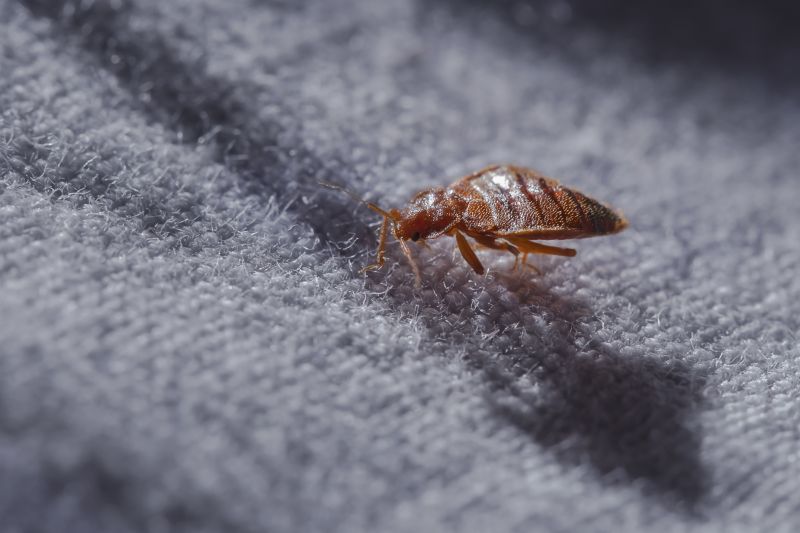
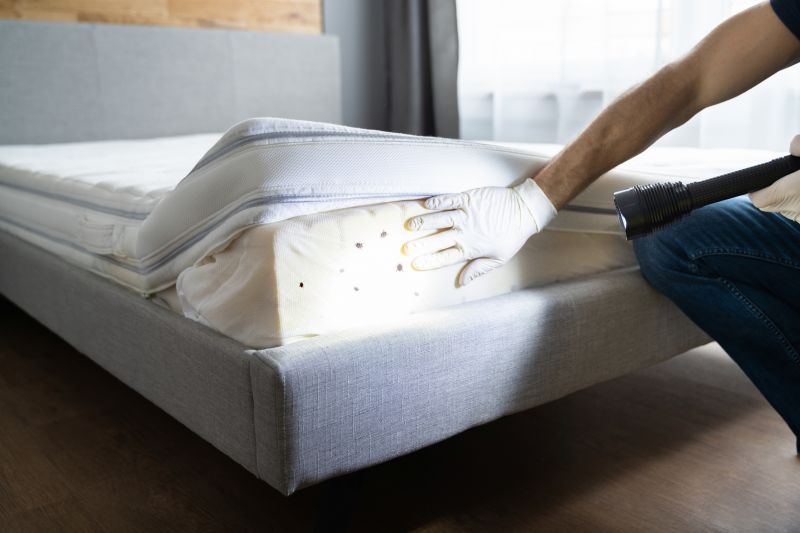
Understanding how bed bugs spread can help property owners recognize potential risks and take proactive measures to prevent infestations. Common situations, such as staying in a hotel, visiting a friend’s home, or even bringing secondhand furniture into a residence, can serve as pathways for these pests to travel. Since bed bugs are excellent hitchhikers, they often latch onto personal belongings like clothing, luggage, or used items, making it easy for them to move from one location to another during everyday activities.
For property owners in the area concerned about bed bug movement, enlisting the help of local service providers can be an effective step. Experienced local contractors understand how bed bugs spread through various scenarios and can assess potential entry points or infested areas. They can provide targeted extermination services to address current issues and help implement strategies to reduce the risk of future spread, offering peace of mind for those dealing with or trying to prevent bed bug problems.
How do bed bugs typically spread from one location to another? Bed bugs often spread through infested furniture, luggage, clothing, or personal belongings that are moved between different areas, making travel and secondhand items common ways they transfer.
Can bed bugs spread through shared walls or common areas? Yes, bed bugs can crawl through wall cracks, electrical outlets, or shared spaces, allowing them to move between units or rooms within a building.
Are bed bugs likely to spread via clothing or fabric items? Bed bugs can latch onto clothing, bedding, or fabric items, and when these are brought into a new environment, they can introduce infestations to previously unaffected areas.
How do travel and hotel stays contribute to bed bug spread? Traveling increases the risk of bed bugs hitchhiking on luggage and personal belongings, which can then be transferred to homes or other locations upon returning.
What role do local contractors play in addressing bed bug spread? Local service providers can identify and treat infestations, helping prevent the further spread of bed bugs by effectively eliminating them from affected areas.
Monitoring high-traffic areas - property owners can identify common entry points for bed bugs by inspecting areas like entryways and hallways, helping local contractors target these zones during treatment.
Reducing clutter and hiding spots - clearing clutter around furniture and bedding can make it easier for local service providers to access and treat infested areas effectively.
Inspecting secondhand furniture - checking used furniture before bringing it into a property can prevent bed bugs from spreading, allowing local pros to focus on confirmed problem areas.
Maintaining cleanliness in shared spaces - regular cleaning and vacuuming in communal areas can help limit bed bug movement, supporting local contractors in controlling infestations.
If you are thinking about how bed bugs spread for a property, this guide is meant to help you understand this topic, the typical project types, and how different options might fit your plans.
When you are ready, you can use the quote form on this page to share a few details about your project. From there, local pros can review the basics and follow up with options that match what you have in mind.